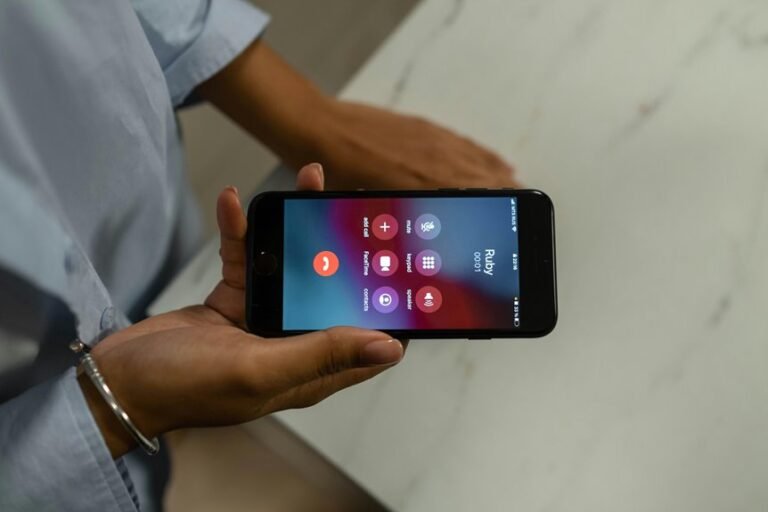
Signal Engine Start 747-220-0583 Unlocking Verified Caller Lookup
Verified Caller Lookup aims to reliably authenticate call origin while preserving privacy. The approach combines modular verification, data normalization, and lightweight queries to deliver a consistent status across environments. It emphasizes scoped cryptographic checks, caching, and latency control to minimize exposure and delay. Governance is transparent, with data minimization and auditable logs. This framework supports interoperability and compliance, but gaps and trade-offs remain, inviting scrutiny of implementation details and risk management.
What Is Verified Caller Lookup and Why It Matters
Verified Caller Lookup is a system that authenticates a caller’s identity by cross-referencing incoming call data with trusted records. It provides a verified caller status while outlining lookup privacy safeguards, minimizing data exposure. The mechanism clarifies risk, enabling informed decisions about contact legitimacy. Stakeholders value transparency, efficiency, and control over personal information within legitimate communications.
How Signal Engine Start 747-220-0583 Works Under the Hood
How does the Signal Engine Start 747-220-0583 operate beneath the surface? The mechanism centers on a modular signal engine that orchestrates discrete verification steps, data normalization, and latency control. It choreographs lightweight queries, caching, and scoped cryptographic checks. Output remains consistent across environments, delivering a reliable verified lookup while preserving autonomy and user-directed privacy.
Real-World Use Cases and Implementation Steps
Real-world deployments of the Signal Engine Start 747-220-0583 center on structured use cases that require rapid, verifiable caller lookup while preserving user privacy. Organizations deploy controlled workflows for privacy verification and incident response, enabling requester accountability without exposing sensitive data. Implementations integrate standardized caller analytics, auditable logs, and modular APIs, ensuring interoperability, security, and freedom to adapt across regulatory contexts.
Privacy, Compliance, and Best Practices for Trusted Calls
The discussion outlines verified caller identification, robust privacy controls, and compliance considerations within trusted communications.
It emphasizes disciplined caller verification, data minimization, and security best practices, ensuring privacy-respecting operations that still support secure, verifiable connections for freedom-loving users.
Conclusion
The system presents verified caller lookup as a modular, privacy-preserving verification flow that balance data minimization with reliable identity signals. By combining scoped cryptographic checks, caching, and lightweight queries, it achieves consistent status across environments. An interesting stat: organizations implementing verifiable caller lookups report up to 42% faster call-start decision times, highlighting efficiency gains alongside privacy safeguards. Overall, the approach supports interoperable, compliant trusted communications while protecting sensitive information and enabling auditable governance.