The Ultimate Guide to Automotive Window Tinting
Driving a car in summer can be challenging for any driver due to the extreme heat penetrating through the window glass. That is why some car owners prefer window tints on windshields and sunroofs to get some protection from the sun.
Automotive window tinting enhances the car’s aesthetic, along with many benefits such as sunlight protection and privacy. Choosing the right window tint is important because there are so many options available. In this guide, we will explore the importance and types of automotive window tints, as well as tips for choosing the best window tint.
What is Automotive Window Tinting
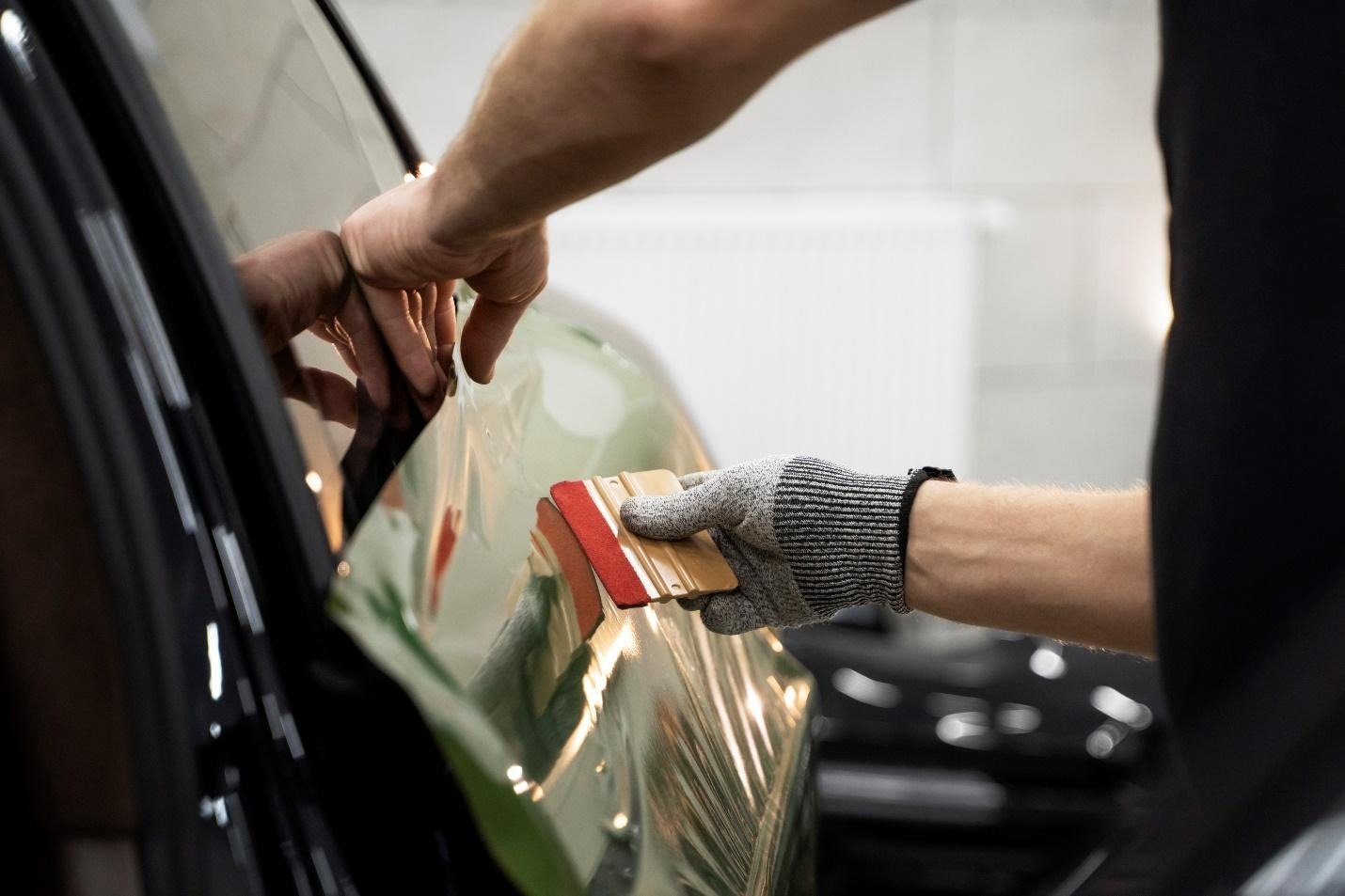
Automotive window tinting is a process of applying a thin, laminated, colored film to the inside of a vehicle’s windows to darken them. Window tinting improves privacy, enhances security, reduces outside stares, blocks harmful UV rays, and helps keep the car cool.
The film can be made of different materials, with each type offering varying levels of heat and UV protection. With the right window tint, you can enjoy your car without feeling exposed. Apart from privacy, it also increases safety by holding the shattered glass during an accident.
Why People Tint Car Windows
It is important to understand why people tint their car windows. The following are the reasons people tint car windows:
- Heat Reduction: It helps to block the sun’s heat and keep the interior cool. It reduces the use of AC, saving fuel.
- UV Protection: It blocks harmful ultraviolet (UV) radiation, protecting both the person’s skin and eyes from damage.
- Privacy: Tinting makes it difficult for people outside the car to see in, which can be useful for both privacy and security.
- Reduced Glare: Tint helps block the sun’s rays and headlights, leading to a safer and more comfortable driving experience with improved visibility.
- Protects material: By blocking UV rays, tinting prevents car upholstery, dashboards, and other interior surfaces from fading, cracking, and deteriorating over time.
- Aesthetics: Tints are an easy way to improve the appearance of the vehicle with a more customized look.
See also: How to Protect Your Business From Cyberattacks in 2025
Types of Window Tints
The following are the popular types of automotive window tinting:
Dyed Window Tint
These are the most economical type of window tint. These are perfect for aesthetics because they don’t offer much heat protection. Dyed tints easily fade over time in direct sunlight.
Metalized Tint
Metallic tint has small metallic particles within the film that help to reflect solar heat efficiently. Adding a metallic layer helps to reduce glare. Metallic tints are durable and less prone to fading. Metallic tints have a shiny appearance.
Ceramic Tint
Ceramic tints are the premium type of tints. They offer the highest level of heat rejection, exceptional UV protection, and excellent glare reduction. These don’t interfere with electronic signals. Despite being expensive, they are worthy of investment.
Tips for Choosing the Best Car Window Tint
The following tips are considered helpful for choosing the best automotive window tinting:
- Firstly, check the window tinting laws in your state.
- Check the UV protection that the car window tinting is offering.
- Don’t go for dark tints, they’ll impact visibility.
- Consider your car’s aesthetics and preferences.
- Do not compromise on the quality of the film.